
 Castellano
  Català
  English
  BOOKSHOP
  OPTICS
  EQUIPMENT
  GARDEN NATURE
  REVISTA ORYX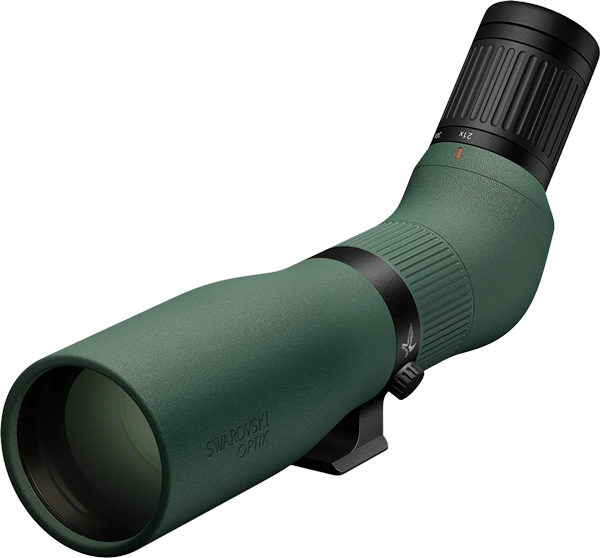
Swarovski AT Endura 21-65x75
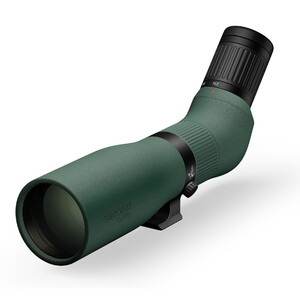
Swarovski introduces the new AT Endura spotting scope with the aim of bringing together users’ key requirements in a single product. The result is a lightweight, mid-sized spotting scope with a wide magnification range, designed for long days in nature
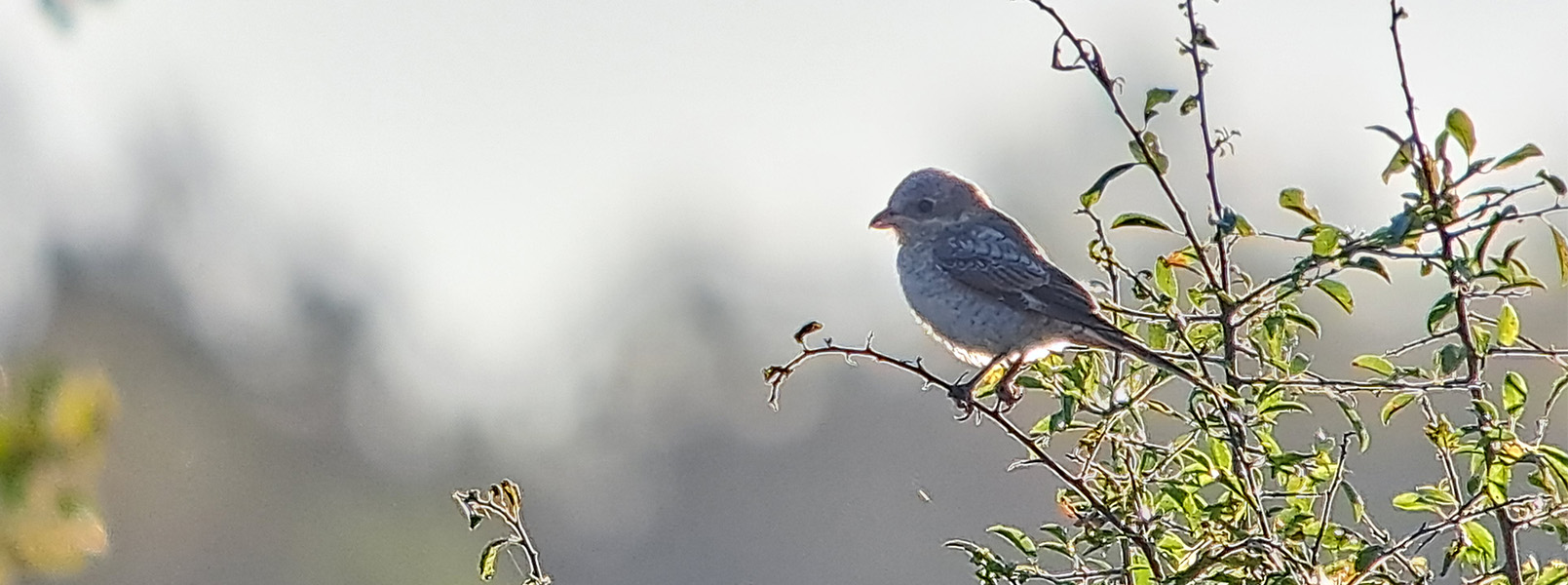
Image of a juvenile woodchat shrike captured through digiscoping with the AT Endura and the VPA 2. As can be seen, chromatic aberration is virtually non-existent despite the high magnification and lighting conditions.
When reading the specifications of Swarovski’s new AT Endura spotting scope, the most immediate comparison is with the company’s own ATS series. The first feature that stands out is its 75 mm objective lens, a size that is virtually unprecedented in today’s spotting scope market. Larger than a 65 mm objective yet smaller than the traditional 80 mm class, it occupies a unique middle ground. As a result, it offers greater light-gathering capability than any 65 mm spotting scope while maintaining a better balance of weight and portability than most 80 mm models.
Secondly, its 21-65x zoom range exceeds the more common 20-60x format. This advantage does come with a small trade-off in field of view: while the ATS 80 delivers between 36 and 20 m at 1,000 m, the Endura provides approximately 33 to 18 m at the same distance.
Another point that quickly arises when comparing the two scopes is that, on paper, the Endura's image at maximum magnification should be slightly darker than that of the ATS 80, due to the combination of higher magnification and a smaller objective diameter. In practice, however, this difference is almost imperceptible, as the Endura achieves a light transmission of 90%, compared with 86% for the ATS 80.
The Austrian manufacturer still has another ace up its sleeve for users who may remain undecided: the AT Endura weighs just over one and a half kilograms (1,510 g), placing it even below the current ATX 65. Even so, it remains slightly heavier than most mid-range 65, 66 or 70 mm spotting scopes. However, it is comparable in weight to one of the few 77 mm models currently available that is also renowned for its optical performance: the Opticron MM4 77 GA VHD fitted with the SDL V4 18-54x eyepiece.
To achieve this reduction in weight, Swarovski has developed a new optical system based on a single 75 mm front objective lens and a second 62 mm achromatic lens positioned further towards the centre of the scope. Being considerably smaller, this second lens helps reduce the overall weight of the optical assembly. In addition, the system incorporates low-density glass elements, without compromising either light transmission or optical performance.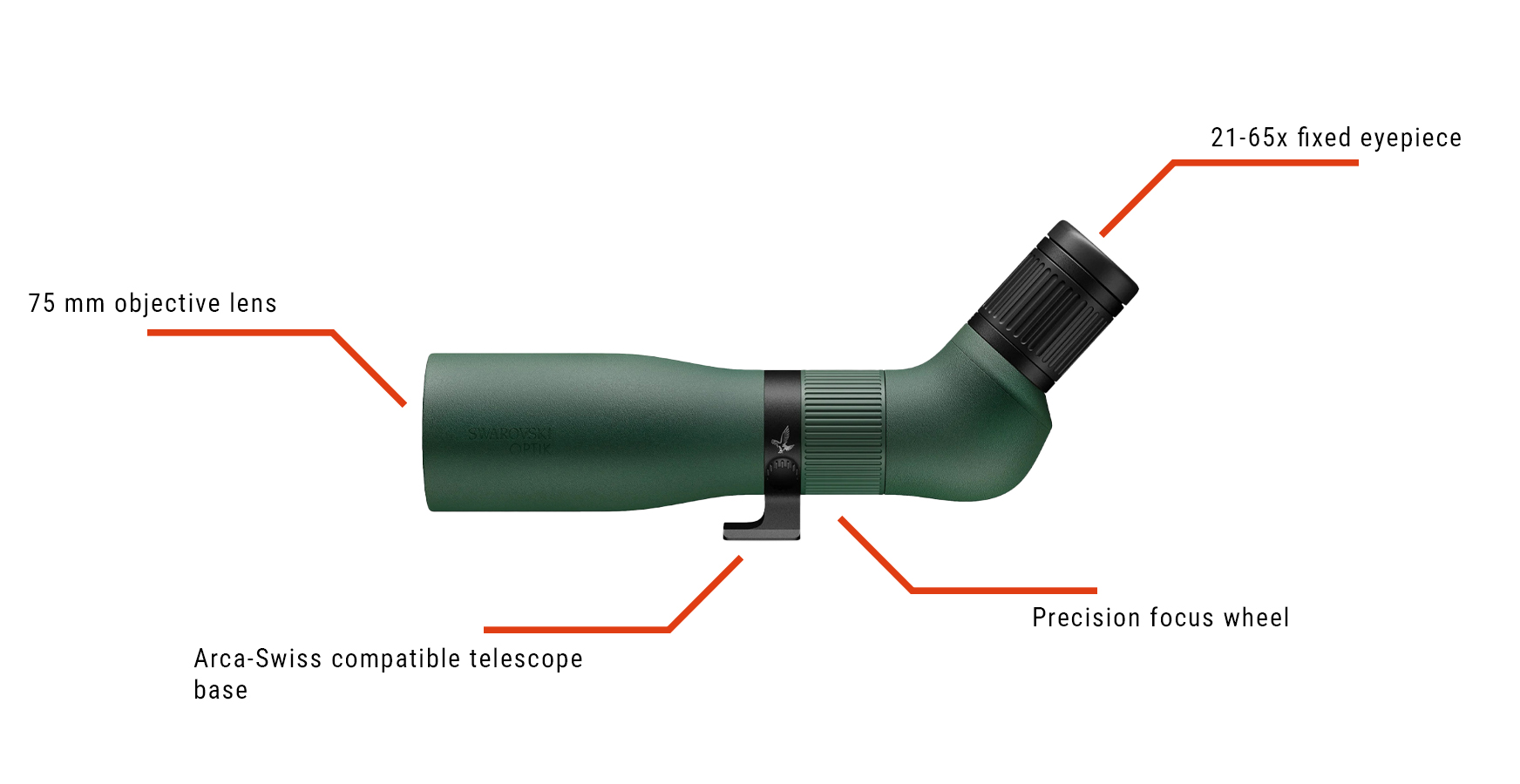
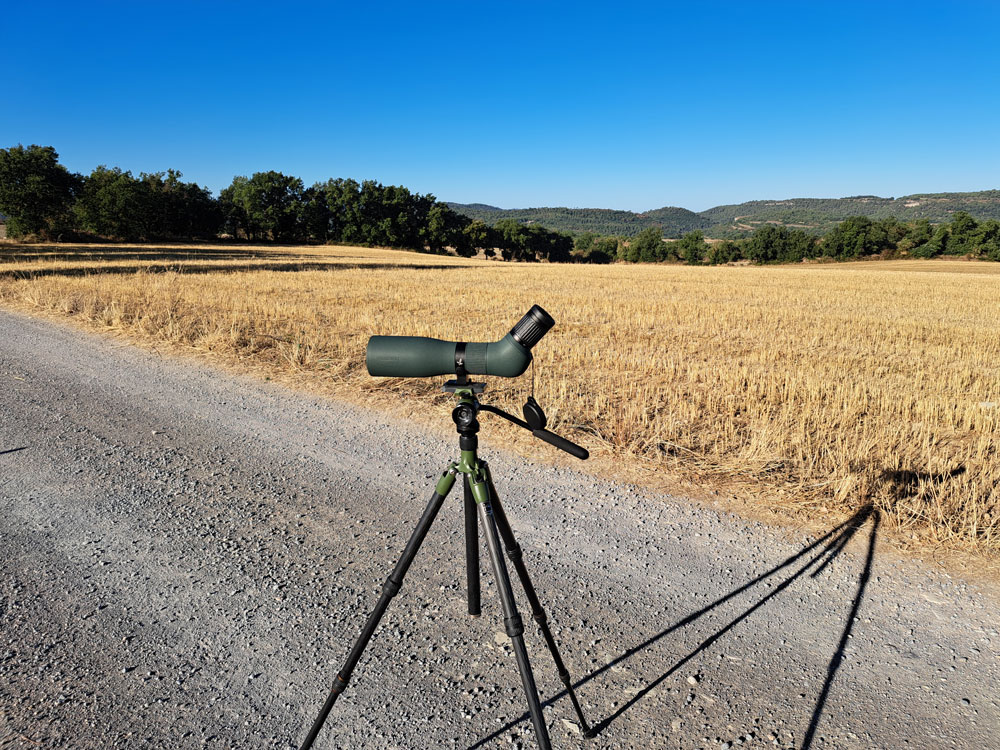
The focusing wheel takes the form of the brand’s characteristic central focusing ring, offering smooth and precise operation, while the zoom control is integrated into the eyepiece itself and provides slightly greater resistance. The scope does not feature a objective-lens hood, and its mounting foot is compatible with the Arca-Swiss system, which is becoming increasingly popular. However, it is not compatible with Manfrotto heads using the 200PL quick-release plate.
Another noteworthy aspect of this new model, representing a significant departure from the ATS range, is that the eyepiece is fixed and cannot be detached from the scope body. This means there is little reason to expect future versions with interchangeable eyepieces, whether offering fixed magnifications or alternative zoom ranges and fields of view. It also eliminates the possibility of transporting the body and eyepiece separately to save space, a particularly useful feature when travelling or when using photographic backpacks that may not be long enough to accommodate the complete 38.5 cm scope.
The 20 mm eye relief ensures comfortable viewing, including for eyeglass wearers. On the other hand, the field of view of 33 m at 1,000 m at the lowest magnification setting is somewhat narrower than that of some competing models and requires a degree of skill when quickly locating and acquiring a subject.
Finally, the minimum focusing distance is just over 4 m, shorter than the ATS 80's 5 m. Although this remains slightly limiting for enthusiasts observing butterflies, dragonflies or reptiles through a spotting scope, it is perfectly suited to birdwatching applications.
| AT-Endura | |||
| Magnification | 21-65x | ||
| Objective lens diameter | 75 mm | ||
| Exit pupil diameter | 3,5 - 1,2 mm | ||
| Eye relief | 20 mm | ||
| Field of view (m/1,000 m) | 33-18 m/1000 m | ||
| Field of view (degrees) | 40º | ||
| Apparent field of view (degrees) | 65º | ||
| Minimum focusing distance | 4,1 m | ||
| Light transmission | 90% | ||
| Length | 385 mm | ||
| Weight | 1510 g |
An important point to note is that the arrival of the AT Endura marks the end of the ATS/STS series. In doing so, Swarovski has streamlined a product range that previously offered eight different configurations, based on two objective lens diameters, two eyepiece options, and either straight or angled designs.
Only time will tell whether this decision proves successful, but certain conclusions can already be drawn. The absence of a straight-body version will probably go unnoticed by most users, given the limited demand for such models today. On the other hand, the combination of a 75 mm objective lens, low weight, up to 65x magnification, excellent optical performance, and a competitive price point within a prestigious brand could well be the key to its success, making it a familiar sight in the field before long.
Without a doubt, the new Swarovski AT Endura strikes us as a highly attractive proposition and, given its price, an excellent gateway into the world of premium spotting scopes.

FIELD TEST
The fact that its price is even lower than that of the current ATS 65 HD fitted with the 20-60x eyepiece, the most affordable model in the entire Swarovski range, may initially raise questions about the optical performance on offer. However, our first experience with the AT Endura during a couple of days of field testing quickly dispelled any such concerns. Its optical performance remains at the level one would expect from the brand, with no apparent differences compared to the 65 mm or 80 mm ATS models, apart from its logical intermediate position in terms of brightness. In particular, when it comes to chromatic aberration, it is worth highlighting that it is virtually non-existent.
During our tests, we observed several juvenile starlings perched on a metal structure silhouetted against the sky, and there was not the slightest trace of cyan or magenta fringing around either the birds or the structure itself. We even took a series of photographs using a smartphone attached via the VPA 2 adapter to capture a backlit electrical installation, achieving truly spectacular results.
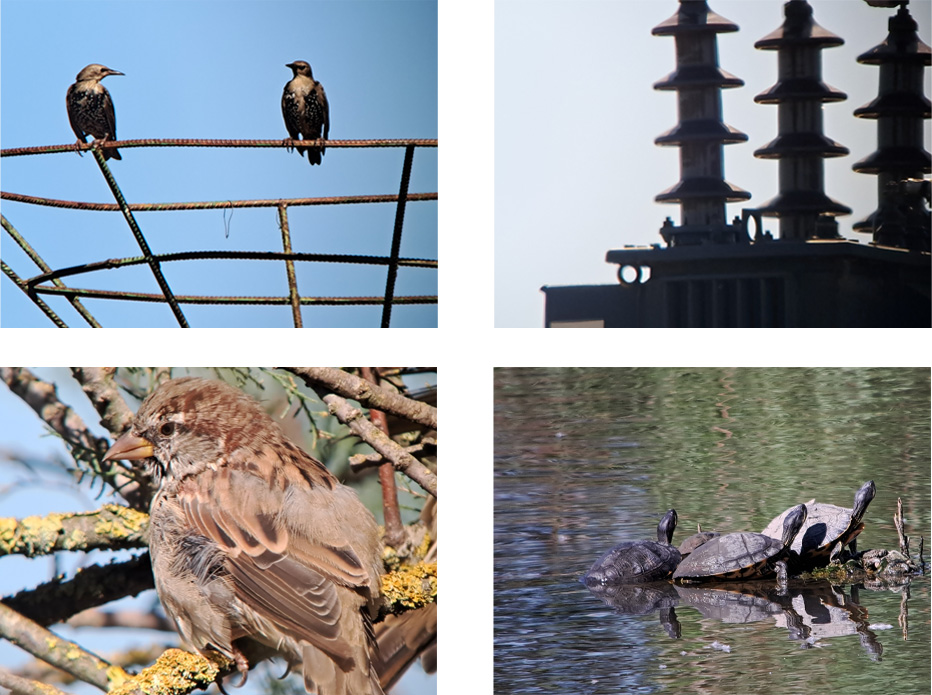
Field tests conducted with the AT Endura highlight its excellent brightness, outstanding image detail and minimal chromatic aberration, even under the most demanding viewing conditions.
The following morning, we headed at first light to a dry-farmed agricultural estate where the owners practise organic farming and livestock rearing, creating conditions that support a greater abundance and diversity of birdlife. One of the site's regular inhabitants is a Little Owl (Athene noctua), one of the few breeding pairs in the region, which on that particular day gave us the opportunity for an extended observation session and numerous digiscoping tests using Swarovski’s VPA 2 adapter together with the CA-S clamping ring.
The results clearly demonstrated that the scope's optical performance is highly impressive. The absence of a retractable hood, however, strikes us as an area where the design could be improved. In certain situations, stray side light can become slightly distracting and, furthermore, the objective lens loses an additional layer of physical protection. A sunshade is useful not only for preventing rain droplets from settling on the front lens but also for reducing the risk of scratches caused by vegetation when moving through the field with the scope mounted on a tripod, particularly when carrying it over the shoulder or in the event of an accidental fall.
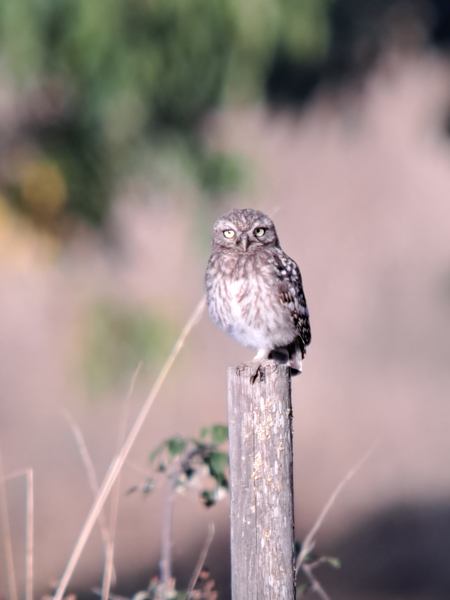 Even at 65x magnification, the AT Endura delivers exceptional image quality.
ATS OFFERS
As we have already mentioned, the arrival of the new AT Endura marks the end of production for Swarovski's ATS/STS series. Take advantage of the special offers on the remaining models still available!