
 Castellano
  Català
  English
  BOOKSHOP
  OPTICS
  EQUIPMENT
  GARDEN NATURE
  REVISTA ORYX
 BASIC EQUIPMENT TO START BUTTERFLY OBSERVATION
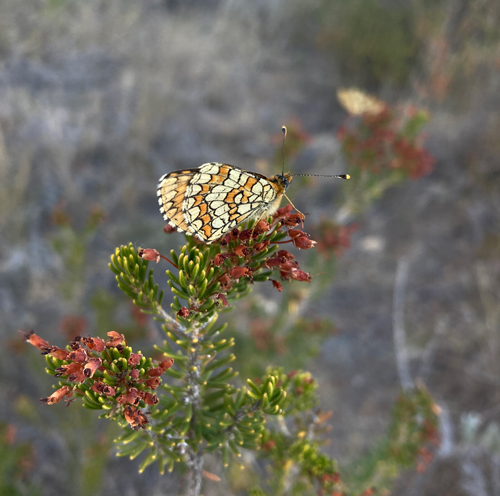 |
Would you like to learn how to recognise the butterflies that visit your garden or live near your home? Would you like to be able to identify the butterflies you see on your walks or when visiting nature reserves? Now is the time to get started with butterfly watching!
Important! It is very important to remember that when observing these insects, you must take care not to harm them. |
The first butterflies start to appear in March, making it the perfect time to head out into the countryside to identify them.
We’ve put together a selection of the best guides, equipment and binoculars so you can get out into the countryside and identify butterflies!
As always, you’ll want to ensure that your observation disturbs their natural habitat as little as possible, as they play a key role in maintaining the natural balance. For this reason, in this introductory guide to butterfly watching, we will not cover articles (which we also have at Oryx) on preparation and conservation.
To find out more, you can watch this video where, as well as learning how to observe butterflies and use a butterfly net, you will discover one of the most successful citizen science projects in Catalonia, the Catalan Butterfly Monitoring Scheme (CBMS).
Field guides for identifying butterflies
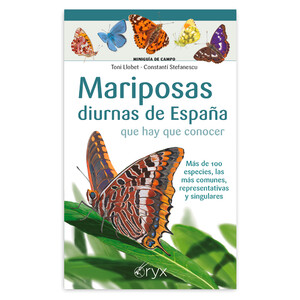
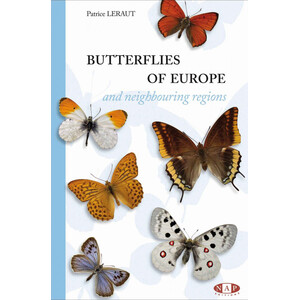
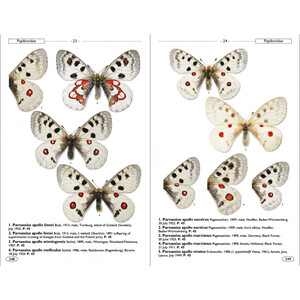
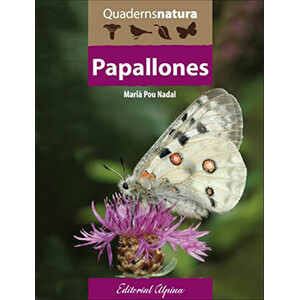
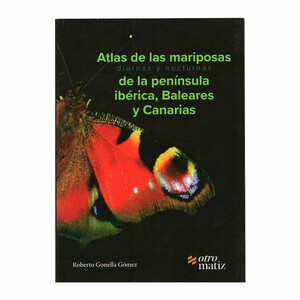
This is the first essential tool for learning to identify butterflies. If you’re just starting out, we recommend the Mini Field Guide we introduced at the beginning: clear, concise and featuring a selection of the species you’ll encounter on your first field trips, as well as some that are worth knowing for their beauty and striking appearance. Although the text is in Catalan, the Spanish and English names are also provided for each species. The rest are practical guides for getting started in the field, and a few that will help you expand your knowledge.




Butterfly nets
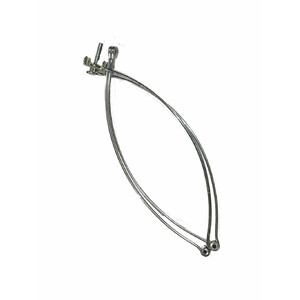
When heading out into the countryside, the essential piece of kit is a butterfly net. It should be of good quality and large enough to allow you to observe the butterfly and then release it so it can fly away freely. The mesh should be as fine as possible to avoid damaging the microscopic scales on its wings and to ensure that friction does not break its legs or antennae. The hoop should be wide to provide a larger surface area for catching the butterfly.
At Oryx, all butterfly nets allow you to combine a folding hoop, a net and a handle. There are many options, particularly regarding the handle, as some can be folded whilst others can be extended to considerable lengths.
Here we recommend the complete professional butterfly-catching kit with a 35-centimetre diameter, as this is the most commonly used and cost-effective option. We have also listed some basic components for assembling a smaller butterfly-catching kit with a folding handle. By searching online, you can select the hoop, net and handle that best suit your needs.



Observation with binoculars and monoculars
There are models of binoculars on the market with a very short minimum focusing distance, making them ideal for observing butterflies from a safe distance and, in many cases, saving you from having to catch them with a net. Specifically, the PENTAX Papilio model is the best known, as its minimum focusing distance is the shortest on the market, at around 50 centimetres. Other small and highly portable models also have sufficiently short focusing distances that will prove useful.
If you’d like to find out more about the PENTAX Papilio binoculars, we recommend this article where we review them in detail.


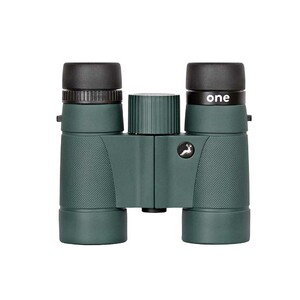
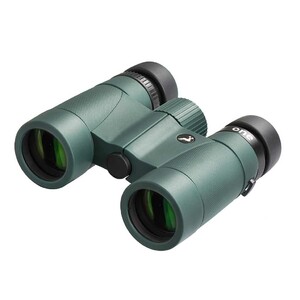
Another useful item is a monocular; we recommend the first model which, when fitted with a light attachment, can also be used as a field magnifier. Large-diameter magnifiers are also a useful tool for observing butterflies without risking harm to them.


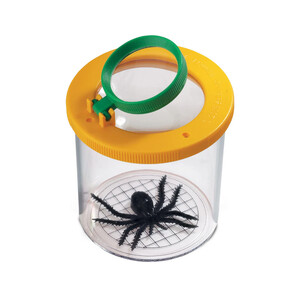
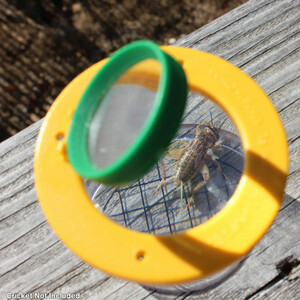


Children's selection
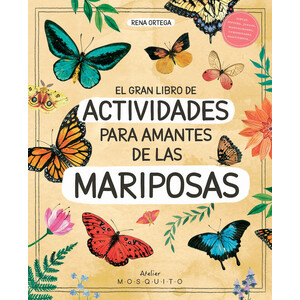
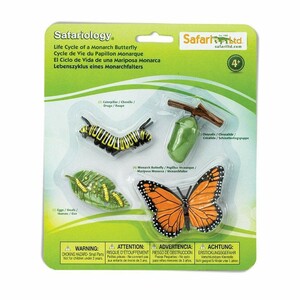
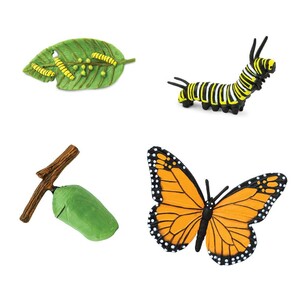
Here’s a small selection of products for little butterfly lovers!