
 Castellano
  Català
  English
  BOOKSHOP
  OPTICS
  EQUIPMENT
  GARDEN NATURE
  REVISTA ORYX
 Ultracompact spotting scopes and travel tripods
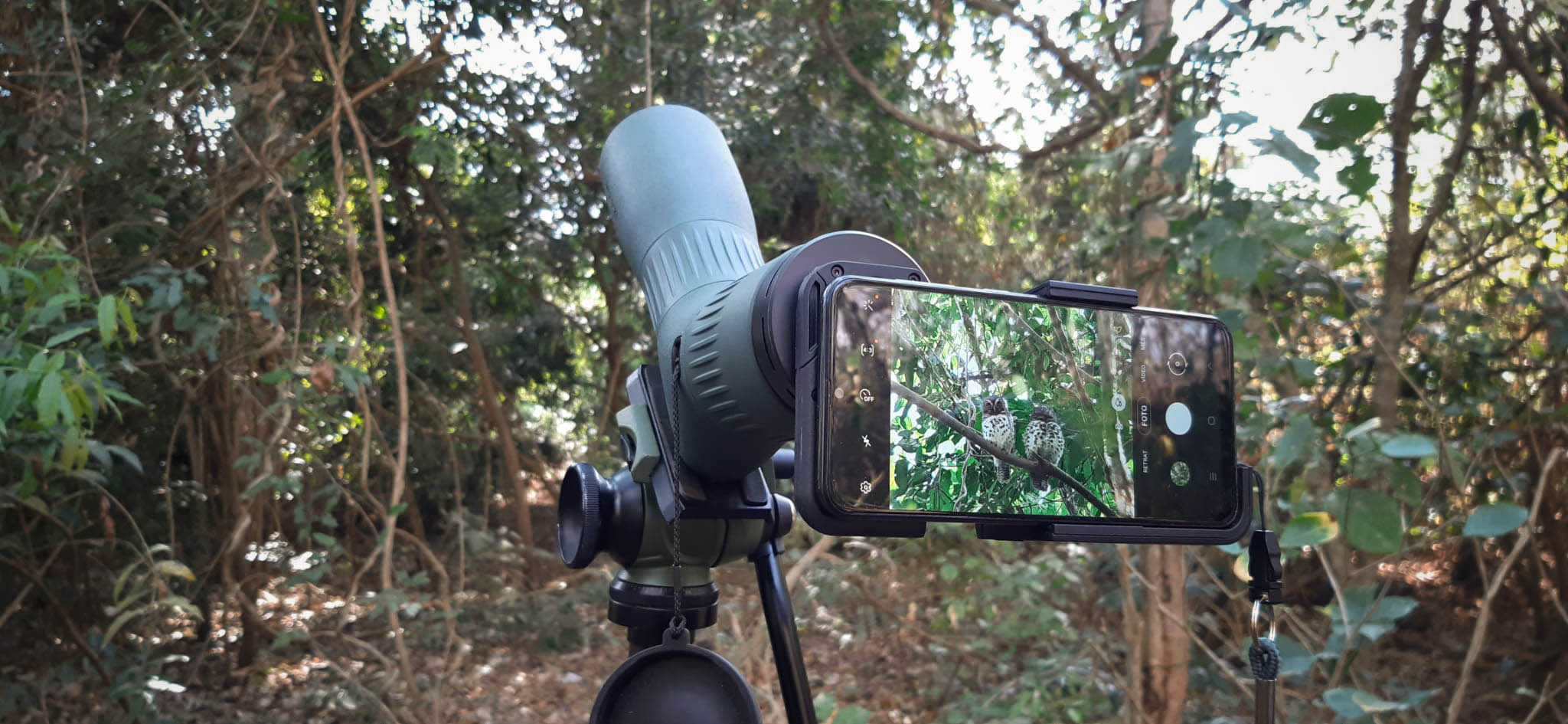 telescopio ATC de Swarovski en Tanzania, enfocando y grabando dos ejemplares de mochuelo de El Cabo (Glaucidium capense)
Ultracompact spotting scopes and travel tripods
The market for spotting scopes designed for wildlife observation is clearly dominated by models with objective diameters between 60 and 80 millimeters. In recent years, larger-diameter scopes have appeared, ranging from 90 to 115 millimeters, offering excellent light-gathering capabilities and the possibility of achieving higher magnifications, either with the same eyepiece or by using additional extenders. However, these scopes also have drawbacks: they are considerably heavier and require sturdier tripods to ensure a stable image, especially when working at high magnifications.
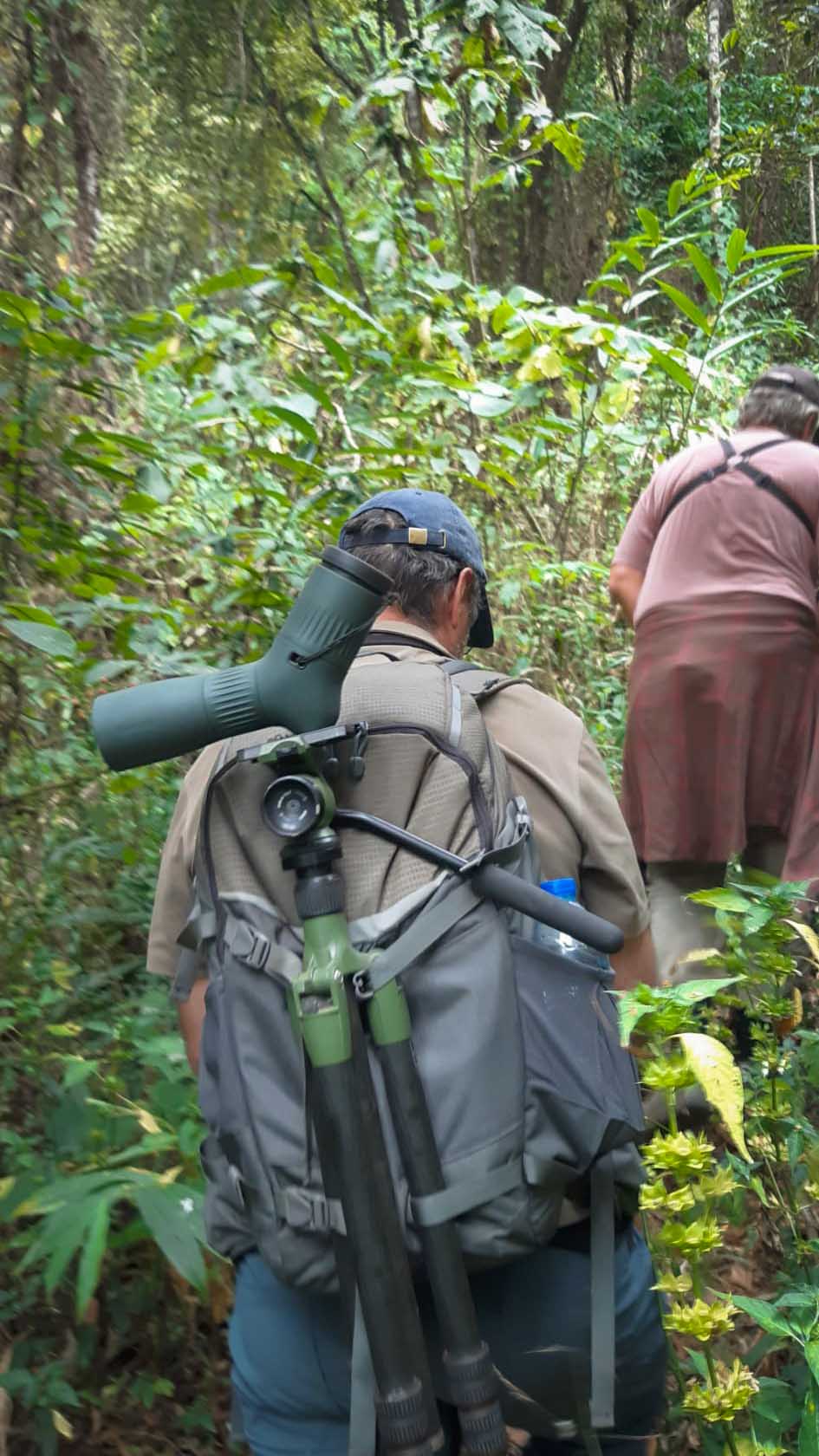
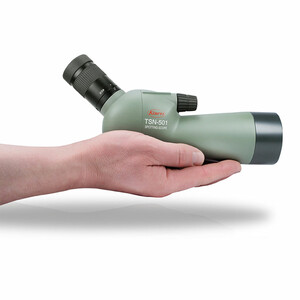
At the opposite end, many brands have long been focusing on smaller-diameter scopes, around 50 millimeters, designed especially for users who prioritize lightweight gear—ideal for long hikes or travel thanks to their reduced size and weight.
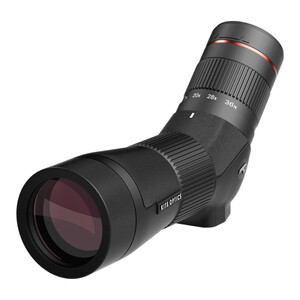
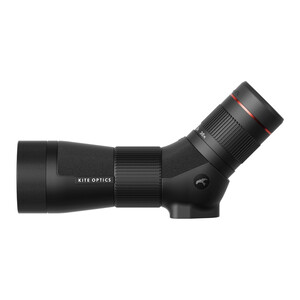
Ultracompact scopes between 50 and 56 millimeters stand out for their portability and ease of transport, typically measuring under 30 centimeters in length and weighing less than one kilogram. Magnification ranges are also more moderate compared to larger models in order to maintain good brightness throughout the zoom range. They usually start at around 12x and reach up to 36x or 40x at most.
It is worth noting that, no matter how good the lens quality and coatings may be, reaching 50x or 60x magnification with this type of scope would result in significant light loss, as well as reduced contrast and sharpness. In this regard, limiting magnification to 36x or 40x helps preserve better overall image quality.
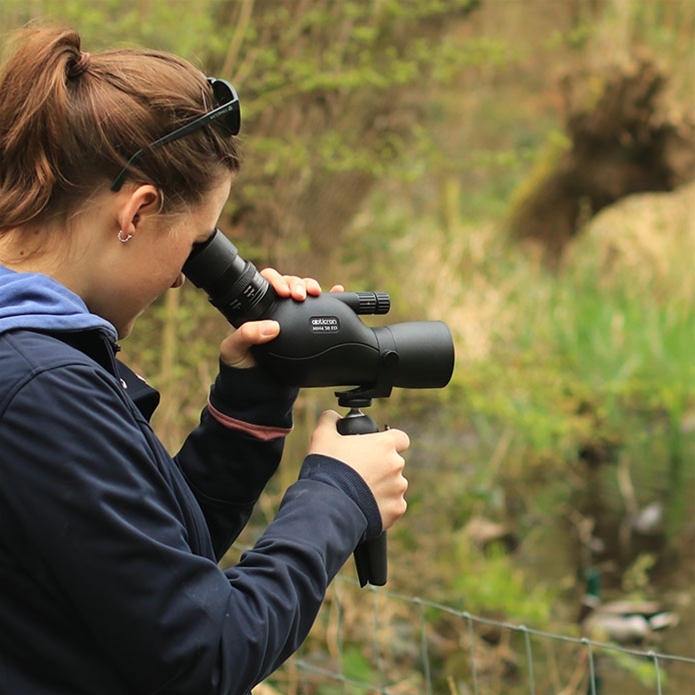
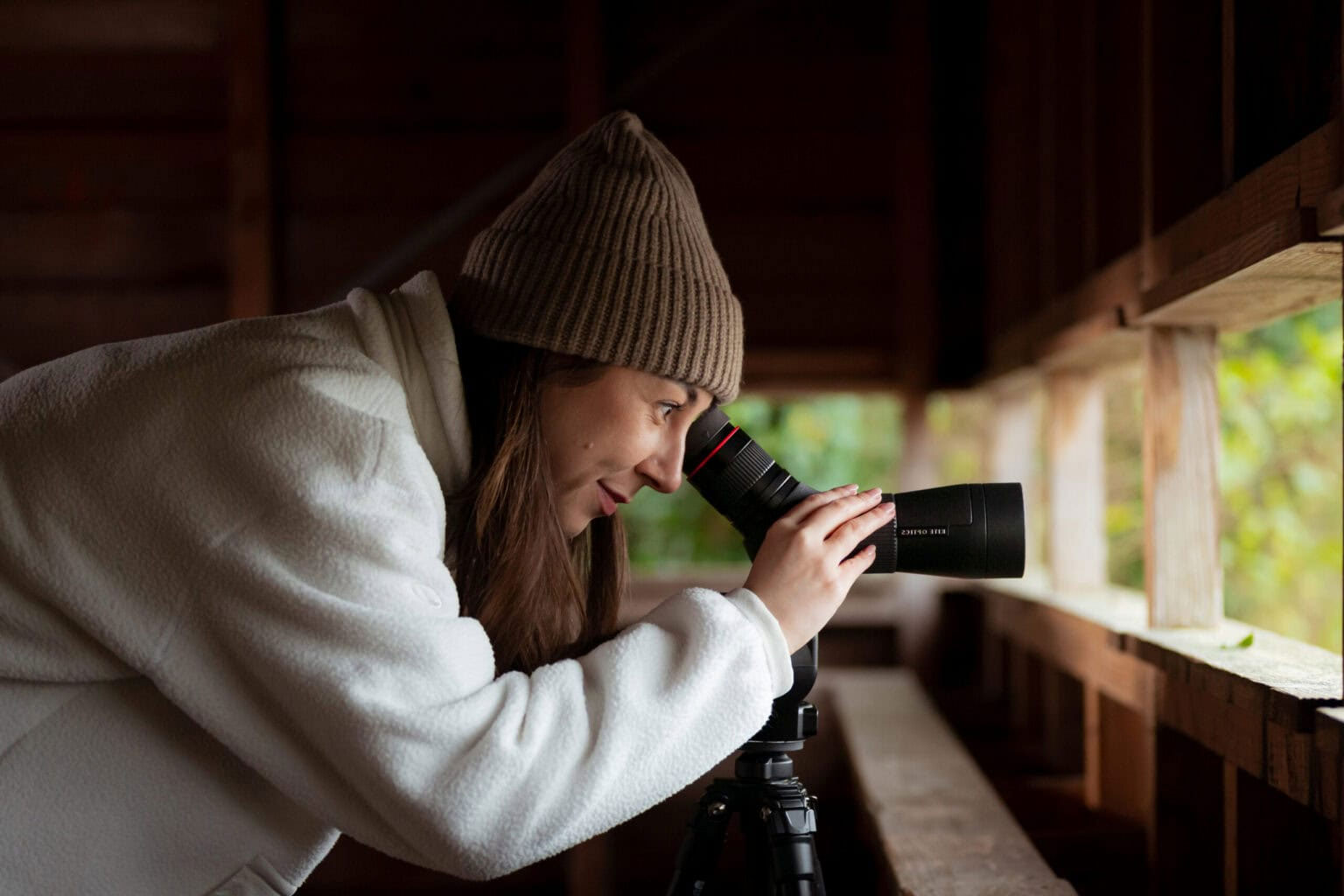
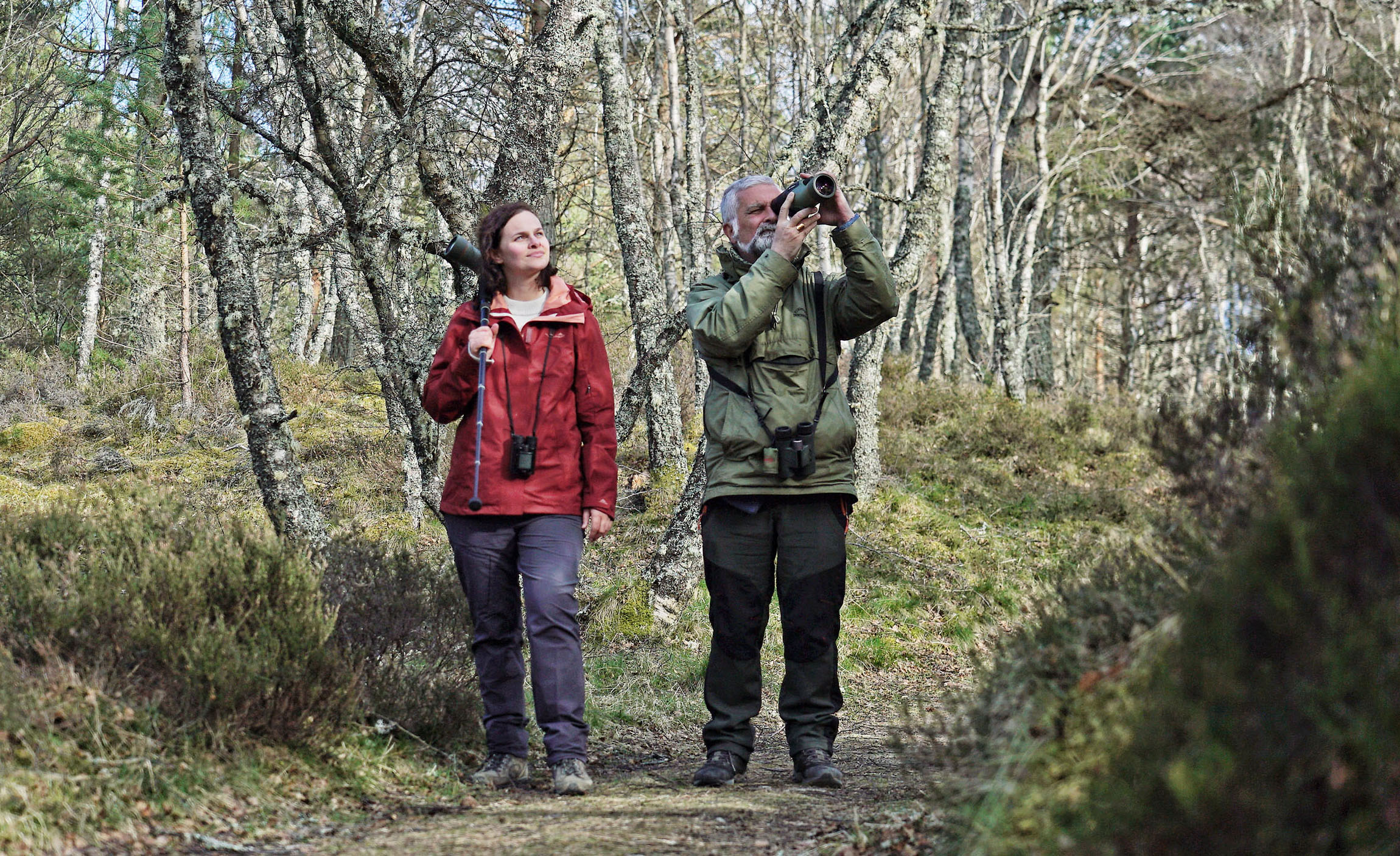
The relatively low starting magnification also allows these scopes to be used handheld. Using a small tabletop tripod or a telescopic handle attached directly to the body can improve comfort if you want to avoid carrying a tripod or monopod. Nevertheless, using a tripod or monopod considerably increases stability and therefore enhances the overall viewing experience.
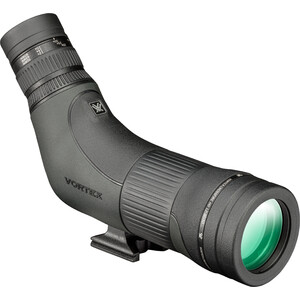
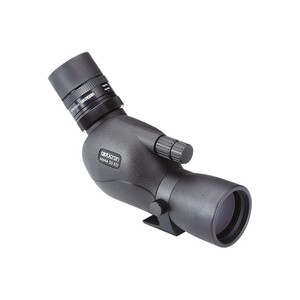
Entry-level spotting scopes
These scopes, priced below 400 €, provide a reasonably stable image when handheld at lower magnifications, with good brightness and sharpness. However, as you approach the maximum magnification, these parameters decrease, including color contrast.
The focusing wheel, especially when integrated into the body of the scope, is usually slightly stiff, and at maximum magnification it can be somewhat difficult to achieve precise focus.
Even so, all three models stand out for their excellent compactness and lightweight design.

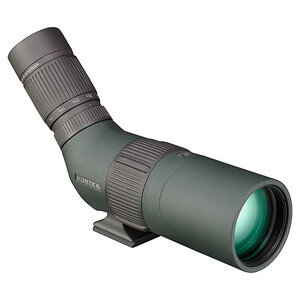
Mid-range spotting scopes
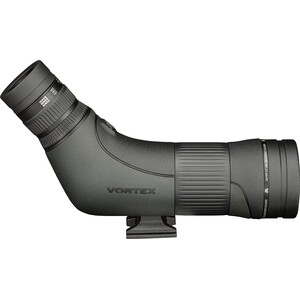
These models show improvements across all aspects: increased brightness, better sharpness, and improved contrast, especially at higher magnifications, where the field of view also feels wider.
They offer greater stability throughout the entire magnification range, not just at lower levels, making handheld use more comfortable.
A noticeable improvement in focusing precision is also evident, both with the central focusing wheel and the dual-focus system. In the latter, the smaller fine-focus wheel allows for more precise adjustments at high magnifications.
Although slightly heavier, they remain under 900 grams and are still very lightweight.


high-end spotting scopes
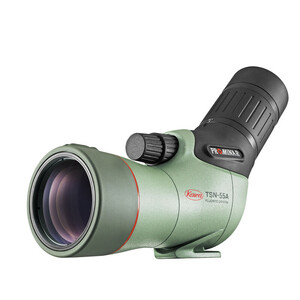
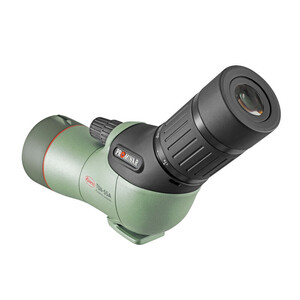
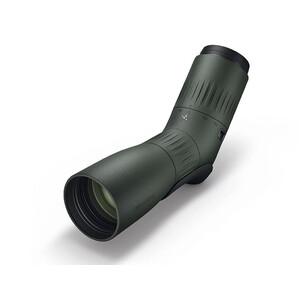
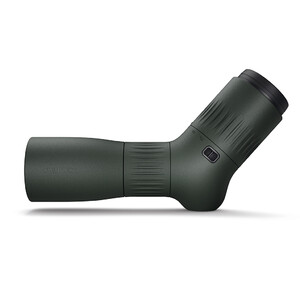
In this category, we find scopes such as the Kowa TSN-55 and the Swarovski ATC, which stand out for their exceptional optical quality despite their compact size. The use of pure fluorite lenses in Kowa and Swarovski’s advanced coatings results in very high light transmission. This translates into outstanding image quality, with high contrast and remarkable sharpness. The field of view is also noticeably wider, and at low magnifications, the sense of openness is especially pronounced.
Focusing is highly precise with both the dual-focus system and the central focusing wheel, making it easy to achieve exact focus. Unlike in other ranges, the central focusing wheel is particularly smooth and easy to operate, while maintaining precision comparable to the dual-focus system.
When used handheld, image stability is also improved, with minimal vibration at low magnifications and manageable vibration up to 40x, although prolonged observation without support is not recommended.
travel tripods
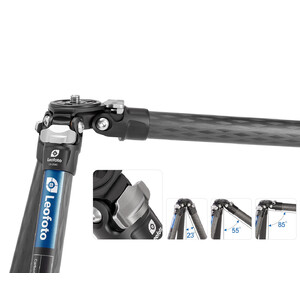
When choosing a travel tripod, it is important not to focus only on its folded size. Compactness is often achieved by increasing the number of leg sections (typically more than four), which results in thinner lower sections. The more sections a tripod has, the less stable it becomes; and the thinner the sections, the greater the loss of stability.
While ultracompact scopes typically do not exceed 40x magnification, using them on an unstable tripod can still lead to noticeable vibrations, especially at maximum zoom.
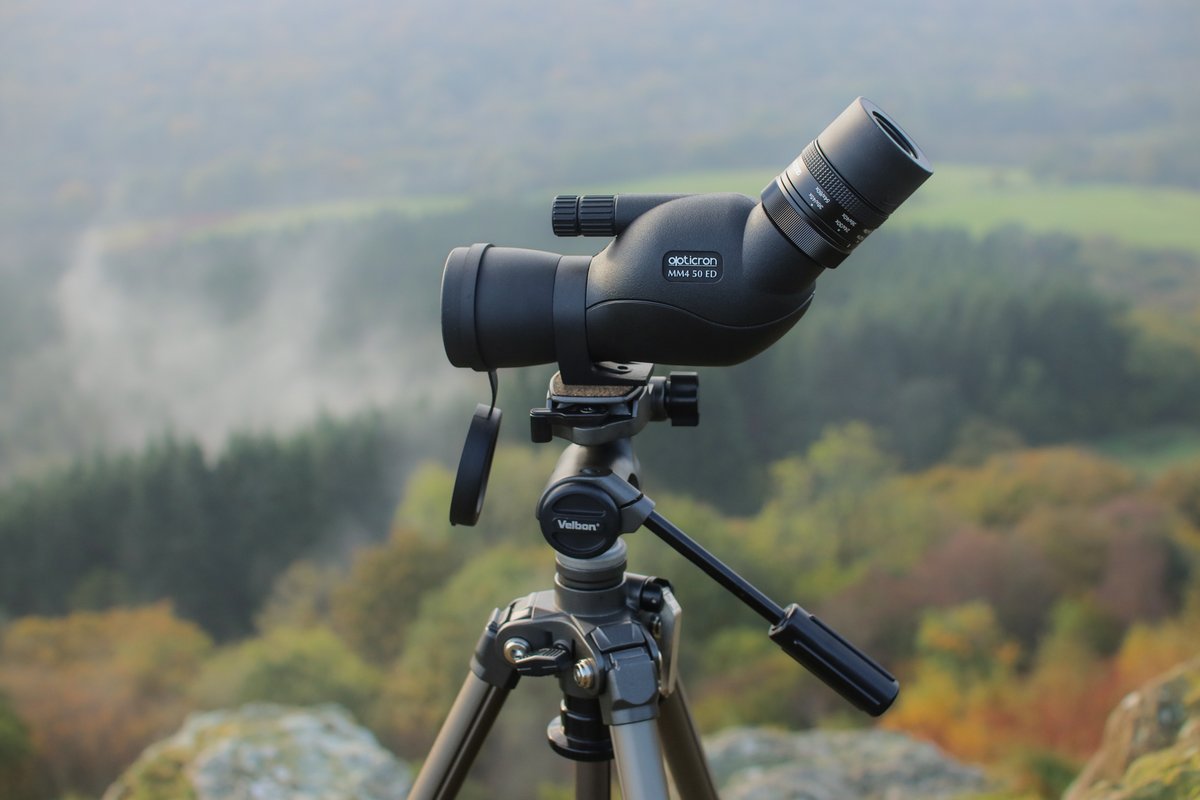
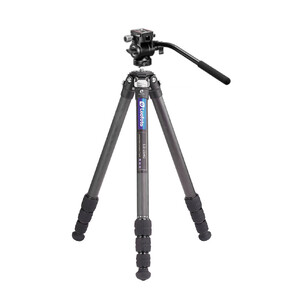
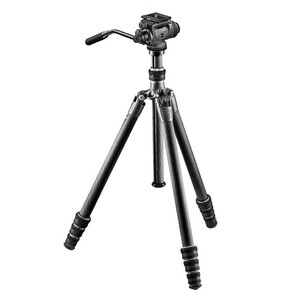
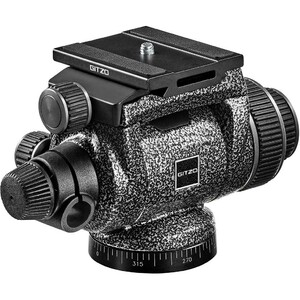
Another key aspect is the tripod head. Many travel tripods come with ball heads, which are better suited for cameras than for spotting scopes. Video heads are much more appropriate, as they allow smoother movement when searching for or tracking moving wildlife. Even with lightweight scopes, a fluid head with a pan handle greatly improves usability.
The selection includes lightweight aluminum and carbon fiber tripods equipped with heads capable of comfortably supporting any ultracompact scope.


monopods
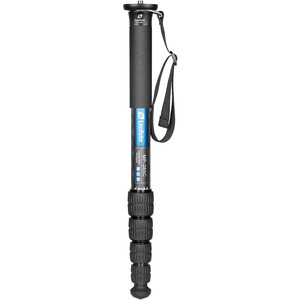
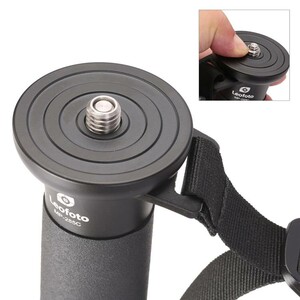
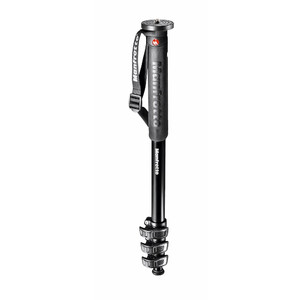
An interesting alternative with ultracompact scopes is using a monopod instead of a tripod, reducing both weight and bulk during travel.
For monopods, a specialized compact head without a pan handle is recommended. It allows vertical movement only, as horizontal panning can be achieved by rotating the monopod itself.





other support systems
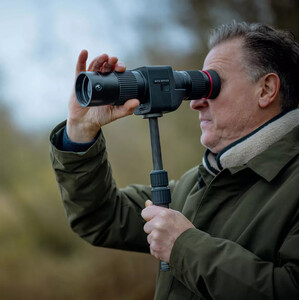
Hand supports are another practical solution for ultracompact 50 mm scopes, offering a clear improvement over handheld use.
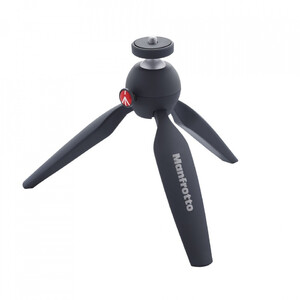
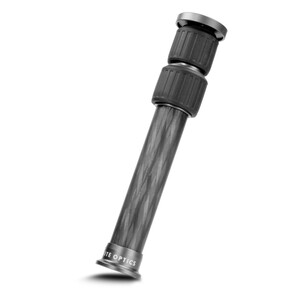
Options such as a lightweight telescopic handle or a small tabletop tripod that doubles as a grip help stabilize the scope against the body and reduce arm strain during extended sessions. This results in less fatigue, a more relaxed observation experience, and a steadier, vibration-free image—especially beneficial for compact, lightweight gear designed for mobility.