
 Castellano
  Català
  English
  BOOKSHOP
  OPTICS
  EQUIPMENT
  GARDEN NATURE
  REVISTA ORYX
 The Hedgehog, an inhabitant of our gardens and woodlands
The European hedgehog (Erinaceus europaeus) is one of the most characteristic and easily recognisable mammals of our native wildlife. Mainly active at dusk and during the night, it is a solitary animal that spends much of its time searching for food among vegetation, along paths and hedgerows, and even in gardens.
It is the largest insectivorous mammal in Europe, reaching up to 30 cm in length and weighing more than one kilogram. It has a greyish-brown colouration with a dark snout, small ears, short legs and strong claws that are well suited for digging. Its most distinctive feature, however, is its back, which is completely covered with stout spines measuring 2 to 3 cm in length. These spines provide effective protection against predators. The underside of the body is covered with dark fur.
What do hedgehogs eat?
Although they are mainly known as insectivores, hedgehogs are actually omnivorous animals. Their diet includes a wide variety of invertebrates such as beetles, earthworms, crickets, larvae, spiders, snails and slugs, making them particularly valuable as natural controllers of the latter two species.
They may also feed on small vertebrates, eggs, carrion, fruits and other plant material, adapting their diet to the resources available throughout the year.
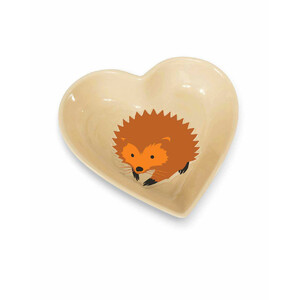
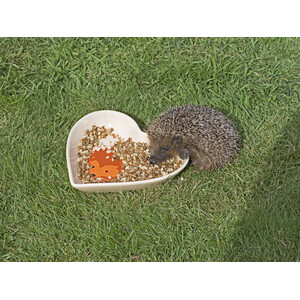
At certain times of the year, especially during autumn and before hibernation, hedgehogs need to build up fat reserves to help them survive the colder months. Although they obtain most of their food naturally, the decline of invertebrates and the transformation of habitats can make finding sufficient resources more difficult. For this reason, providing a supplementary food specially formulated for hedgehogs can be beneficial, helping to meet their nutritional needs and provide the extra energy required during demanding periods. This food can be placed in a quiet, sheltered area of the garden, preferably near a refuge, contributing to the well-being of the hedgehogs that regularly visit the area.


How can you detect their presence?
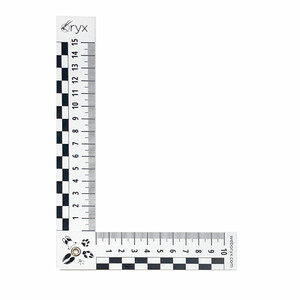
Because hedgehogs are discreet and mainly active at night, they are not always easy to observe directly. However, their presence can often be detected by looking for signs. Their footprints are small and clearly show five toes and claws, while their droppings are black, compact and cylindrical, often containing chitinous remains from the insects that form an important part of their diet.
An interesting alternative is to install a trail camera near the refuge or feeding area. These devices allow you to observe hedgehog behaviour without disturbing them, automatically recording photographs and videos whenever movement is detected, particularly at night when hedgehogs are most active.


Hedgehog hibernation
One of the most fascinating aspects of hedgehog behaviour is their ability to hibernate. When temperatures drop, typically below 10°C, hedgehogs dramatically reduce their activity levels in order to conserve energy throughout the coldest months of the year.
The hibernation period usually lasts from October until March or April, depending on local weather conditions. Males generally enter hibernation first, followed by females, while young hedgehogs are usually the last to begin this dormant period.
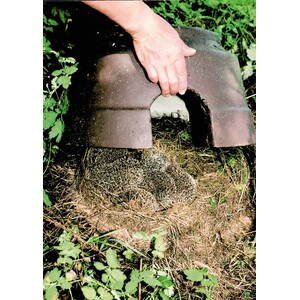
During these months, hedgehogs remain hidden in nests made from dry leaves, grass and other plant materials, waiting for warmer temperatures to return before resuming their normal activity.
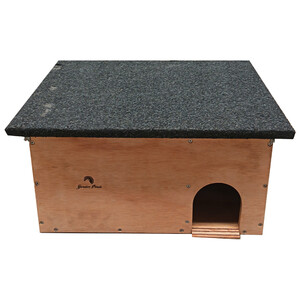
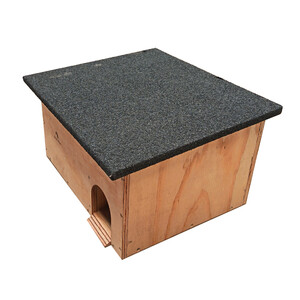
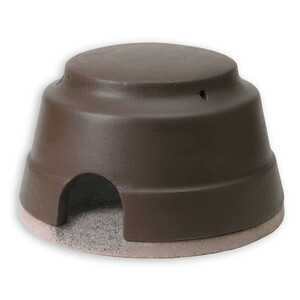
The ongoing transformation of gardens, parks and agricultural landscapes means that suitable natural hibernation sites are becoming increasingly scarce. Installing a dedicated hedgehog refuge in a garden or other quiet location can help hedgehogs successfully survive this critical time of year by providing shelter from cold weather, rain and predators. These refuges mimic the natural hiding places that hedgehogs would normally choose among dense vegetation or beneath piles of branches and leaves, helping to support the conservation of one of our most beneficial wild mammals.
Per saber-ne més...
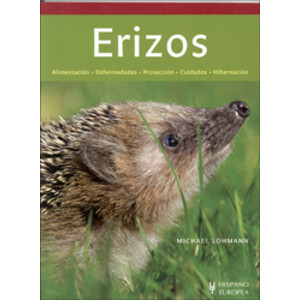
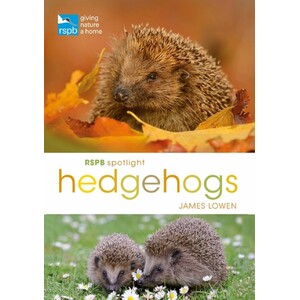
A selection of books, monographs and other resources for anyone interested in discovering more about this iconic mammal and its fascinating natural history.